
Ice Cream & Frozen Dessert Trends Shaping 2026
- Sarah McKenzie
- Mar 26
- 6 min read

According to market forecasts, the global ice cream and frozen dessert market is projected to grow at a compound annual growth rate (CAGR) of up to 7.5% through 2035. Growth is being fueled not just by volume, but by value-added innovation, from functional formulations to premium textures and globally inspired flavor profiles.
Clearly, ice cream holds the potential to remain the beloved frozen treat—now and in the years ahead—while continuing to evolve into a platform for wellness cues, indulgent escapes, digital engagement, and sustainable storytelling.
With no shortage of information on where the industry is headed, we’ve done the searching and synthesizing for you. Drawing on leading ice cream industry reports from sources including Tetra Pak, tastewise, and GreyB, the trends below highlight where opportunities are emerging—and how our ecosystem partners can capitalize on them.
JUMP TO
Our Take on Overall Industry Trends
Across dairy and non-dairy segments, several macro trends continue to shape how ice cream is formulated, packaged, marketed, and experienced. These shifts reflect enduring consumer priorities around convenience, control, comfort, and transparency—while still demanding uncompromising sensory appeal. From our perspective, what’s evolving isn’t the trends themselves, but the ways brands respond to them.
Better-for-you remains central, with sugar reduction still a priority, though solutions are increasingly technology- and process-driven rather than reliant on unfamiliar ingredient substitutes. At the same time, protein-forward formulations are also making their way into ice cream, driven by rising consumer awareness of protein and advances in both dairy and plant-based proteins.
Convenience continues to drive consumption through smaller, bite-sized, on-the-go formats that support portion control. Sustainability, while top of mind in survey results, doesn’t always translate at the freezer. As a result, brands and suppliers must embed it into default choices through packaging and materials, such as smart wood, that make every selection more responsible by design.
Trend #1: Evolving Holistic Health Management
Healthier versions of ice cream have been a topic for many years. Rather than relying on unfamiliar sugar substitutes, manufacturers are increasingly turning to technology-led solutions. For example, O’taste uses patented micromilling technology to reduce sugar in ice cream by up to 35% while preserving its perceived sweetness.
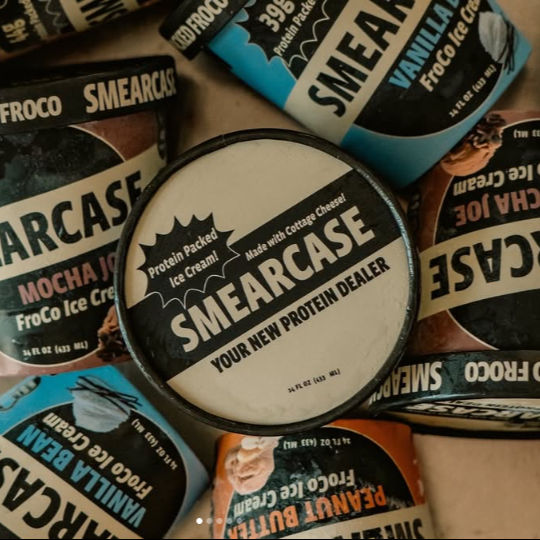
But today’s consumer isn’t only looking for free-from or less-off options—they’re also looking for a holistic approach to ice cream, as evident with the current protein craze. Advances in dairy proteins, whey isolates, and plant-based blends are enabling higher protein levels without sacrificing texture or creaminess, allowing ice cream to compete more directly with protein bars, yogurts, and ready-to-drink shakes.
Brands like Yasso Frozen Greek Yogurt (up to 19g of protein per container) and Smearcase (up to 44g per pint) illustrate how functionality is being built into indulgence.
Trend #2: Smaller & More Convenient Formats
Ice cream remains one of the most emotionally resonant food categories. In uncertain economic and social climates, its role as a stress-relieving indulgence has only intensified.
Rather than abandoning ice cream amid the rise of better-for-you options, consumers are reframing how they enjoy it.
From mini bars to sandwiches to cones, we’re now seeing smaller portions combined with premium sensory experiences, allowing ice cream to feel intentional rather than excessive. This evolving “permission to indulge” mindset is unlocking new moments of consumption and shared experiences, transforming ice cream from dessert to a snack.
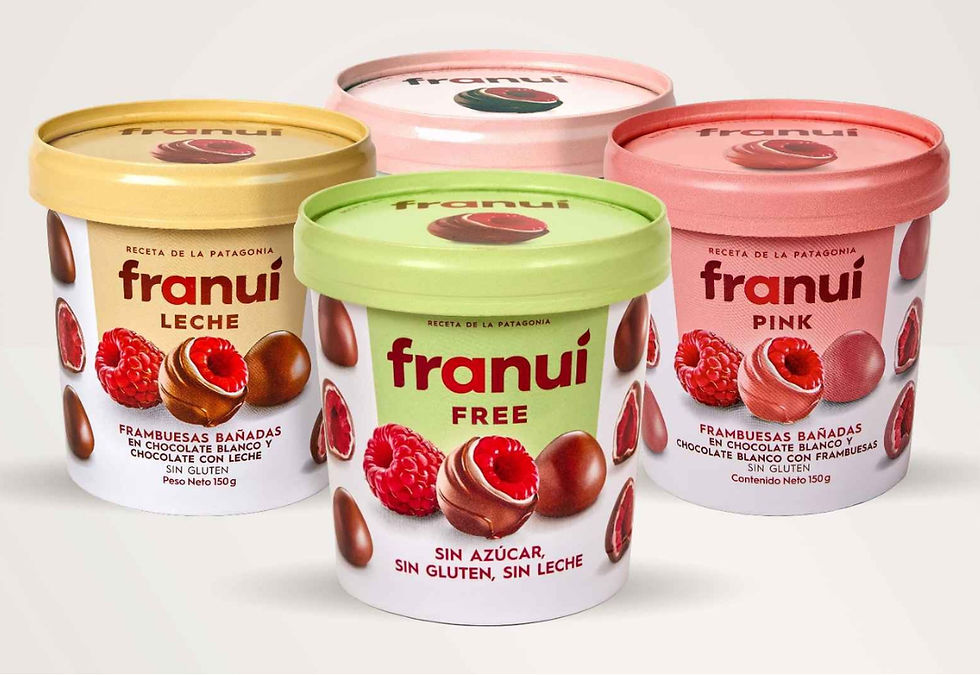
One example is Rapanui’s recently launched Franuí Free, a new dairy-free addition sold in 150-gram containers. Franuí produces approximately 50 million jars per year, which are sold in more than 50 countries.
Trend #3: Bigger Texture Moments
Texture is equally important, as consumers gravitate toward multi-sensory products that combine crunch, chew, creaminess, and color contrast—from ripples and chunks to coated shells and layered inclusions. These tactile experiences elevate perceived value and encourage repeat purchase.

One of the category’s most significant advances has been in extrusion technology, which now allows brands to incorporate larger inclusions into hand-held formats without compromising operational efficiencies. For example, the recently launched ice cream bars from Ben & Jerry’s bring the brand’s signature “plenty of chunks and swirls” into portable, on-the-go formats—something that's still considered a technical challenge for novelties.
At the same time, new emulsifiers, fat systems, and stabilizer blends—such as sunflower phospholipids—are helping ice creams, including plant-based versions, achieve creaminess, melt resistance, and scoopability comparable to dairy counterparts.
Trend #4: Sustainability Matters Upstream
Beyond cost and taste, consumers continue to expect sustainable options, according to McKinsey’s 2025 survey. Brands must demonstrate responsible sourcing, energy-efficient production, recyclable or compostable packaging, and transparent supply chains as baseline operating standards.
At the freezer, however, this intent doesn’t always translate into action. Faced with price, flavor, brand familiarity, and impulse, sustainability is rarely the deciding factor in the final moment of choice. This gap between what consumers say they want and what they actually buy places the burden squarely on brands and manufacturers.

As a result, the most effective sustainability strategies are those that remove effort from the equation—incorporating better materials, processes, and packaging into default choices rather than asking consumers to opt in actively. Making the “right” choice effortless is no longer a nice-to-have; it’s essential to sustainability scaling in the ice cream category.
One standout example is from smart wood. The world’s leading manufacturer of food-grade beech wooden sticks, whose entire wood product range was recently awarded NF T51-800 Home Compost Certification, reinforces the industry’s shift toward more circular packaging solutions.
Trend #5: Flavor Evolution
For many years now, ice cream flavors have been evolving in two parallel directions: bolder, globally inspired profiles and nostalgia-driven comfort flavors. What “global” means today, however, has changed. Social media now allows highly local flavors to travel fast and go mainstream—seen recently with viral trends like the Dubai chocolate craze.
Nostalgia has shifted as well. Once focused on reviving classic flavors like Neapolitan or orange cream, it later expanded to dessert-inspired profiles such as apple pie or s’mores. Today, nostalgia can also mean localness—flavors rooted in regional identity. For example, Pinchy’s Gelato, which reimagined Scotland’s traditional haggis dish as ice cream, generated curiosity, conversation, and global attention.

Flavors are also becoming richer and more expressive, driven by layered compositions, bold contrasts, and second-bite experiences. Unexpected pairings, dual textures, and deeper inclusions are reinventing familiar formats and elevating overall sensory impact. Viral moments—such as butter-dipped soft serve or the growing pairing of wine with ice cream—highlight how consumers are embracing more indulgent, experiential ways to enjoy classic favorites.
Trend #6: Smart Technology, Built In
Finally, technology is becoming increasingly embedded in the ice cream experience—from production efficiency to consumer participation. On the manufacturing side, advances in processing, improved homogenization, and precision freezing are enabling greater consistency across formulations.
At the consumer level, digital touchpoints are reshaping engagement. Singapore-based Ice Cream & Cookie Co is launching an app that allows users to mint non-fungible token (NFT) “ingredients” and combine them to create custom ice cream NFTs, with holders unlocking real-world rewards such as ice cream cakes. In the U.S., Morgenstern's Finest Ice Cream took a similar approach with its NFT-based Morgenstern’s Connoisseurs community, giving members exclusive rights to taste and vote on new flavors.
Even physical products are becoming interactive. QR codes embedded in packaging—such as smart wood’s ice cream sticks—are turning everyday formats into digital platforms for storytelling, traceability, promotions, and ongoing brand engagement long after the last bite.

At the same time, data-driven R&D is accelerating product development, helping brands refine formulations faster and scale more efficiently. Major players, like Unilever, are increasingly leveraging AI and digital tools (e.g., for forecasting, supply chain optimization, and innovation) to streamline R&D and commercialization workflows in ice cream and related categories.
Ice Cream in 2026: A Category Ready for What’s Next
Across both dairy and non-dairy segments, consumers are asking more of their frozen treats. They want products that deliver emotional comfort without guilt, indulgence without excess, and greater convenience without unnecessary cost. This is pushing brands to refine formulations, rethink formats, and invest in bolder flavor development, all while meeting rising expectations around sustainability, transparency, and digital engagement.
Looking ahead, we believe that the most successful ice cream brands will be those that treat innovation as a strategic combination of the trends above, rather than tactically trying to ride short-term waves. By combining technological advances, ingredient expertise, and deep consumer insight, the industry is well positioned to keep ice cream relevant, resilient, and irresistibly engaging—whatever the next decade brings.
As these trends continue to shape the category, Innodelice is here to help ecosystem partners connect, collaborate, and capitalize on what’s coming next. Subscribe to our monthly newsletter to stay informed, or connect directly with Innodelice’s CEO and Founder, Andrea Montreuil (andrea.montreuil@innodelice.com), to explore these trends in more detail.
ABOUT INNODELICE
Founded by former executives in the ice cream industry, INNODELICE aims to create a worldwide ecosystem of solutions within the frozen dessert industry. Thanks to the relationships fostered by INNODELICE, manufacturers, brands, importers, distributors, and suppliers can discover, buy, and sell solutions to grow their businesses. These solutions include co-manufactured and branded products and innovative and competitive ingredients, packaging, and services. Our collaboration model generates lower costs and fewer risks for our participating partners while optimizing their time to market. To learn more about INNODELICE, email andrea.montreuil@innodelice.com or visit www.innodelice.com.


Comments